
Community Preservation Partners (CPP)
Preserving Communities.
Enriching Lives.
National Affordable Housing Developer
Specializing in the recapitalization, rehabilitation, long-term preservation, and new construction of affordable housing communities.
Driven by a mission to enrich lives and strengthen neighborhoods, CPP partners with housing authorities, nonprofits, municipalities, churches, developers and investors to deliver creative housing solutions that protect affordability and create lasting community impact.
As featured on Viewpoint with Dennis Quaid.
Years of Experience
Amount Invested
Units Served
Jobs Created
Why Communities and Partners Choose CPP
Affordable housing is more than development. It’s stewardship, partnership, and long-term commitment.
CPP combines deep industry expertise with a mission-driven approach that prioritizes residents, strengthens communities, and delivers solutions tailored to the realities of today’s affordable housing landscape.
Industry Experience
For over 20 years, CPP’s team of seasoned affordable housing specialists has handled everything from conception through completion.
Commitment to Tenants
CPP is dedicated to enriching the lives of the residents in our communities by providing safe, secure, and stable housing, along with meaningful opportunities for their future success.
Working Relationships
CPP partners closely with all stakeholders including owners, residents, social service organizations and the community at large.
Speed
CPP closes faster than its competitors, reducing deal fatigue and maintaining control throughout the process.
Flexibility
Every multifamily project is unique, and we work across a wide range of project sizes, types and deal structures providing the ability to solve our partners’ unique challenges.
Legacy
Backed by WNC & Associates, a family-owned firm with more than 50 years of affordable housing experience across all 50 states, CPP brings deep institutional knowledge and long-term perspective.
Insights Shaping the Future of Affordable Housing
Affordable housing is evolving rapidly. CPP shares practical insights, market perspectives, and real-world expertise on preservation, development, financing, and community impact.
December 2, 2025
America’s affordable housing crisis is nearing a breaking point. More than 10 million extremely low-income renter households compete for too few affordable units, creating a shortage of 7.1 million homes. Federal rental assistance programs help families, but many more remain on waiting lists or in precarious situations. At the time
October 31, 2025
In California, the cost of housing is among the highest in the country, making affordable housing essential for many working families. The Area Median Income (AMI) is used to determine eligibility for many publicly-funded affordable housing programs, particularly through the Low-Income Housing Tax Credit (LIHTC). According to the Department of
September 9, 2025
By: Belinda Lee, Director – Development The Low-Income Housing Tax Credit (LIHTC) program has been an essential component of affordable housing finance since it was enacted as a part of the Tax Reform Act of 1986. Originally created as a tool to encourage public-private partnerships to increase the low-income housing
July 24, 2025
Affordable housing refers to housing that is reasonably priced, allowing low- and moderate-income individuals or families to live comfortably without spending an excessive portion of their income on housing. Typically, the standard guideline is that housing costs, including rent and/or mortgage payments and utilities, should not exceed 30% of a
Proven Experience Across Complex Housing Developments
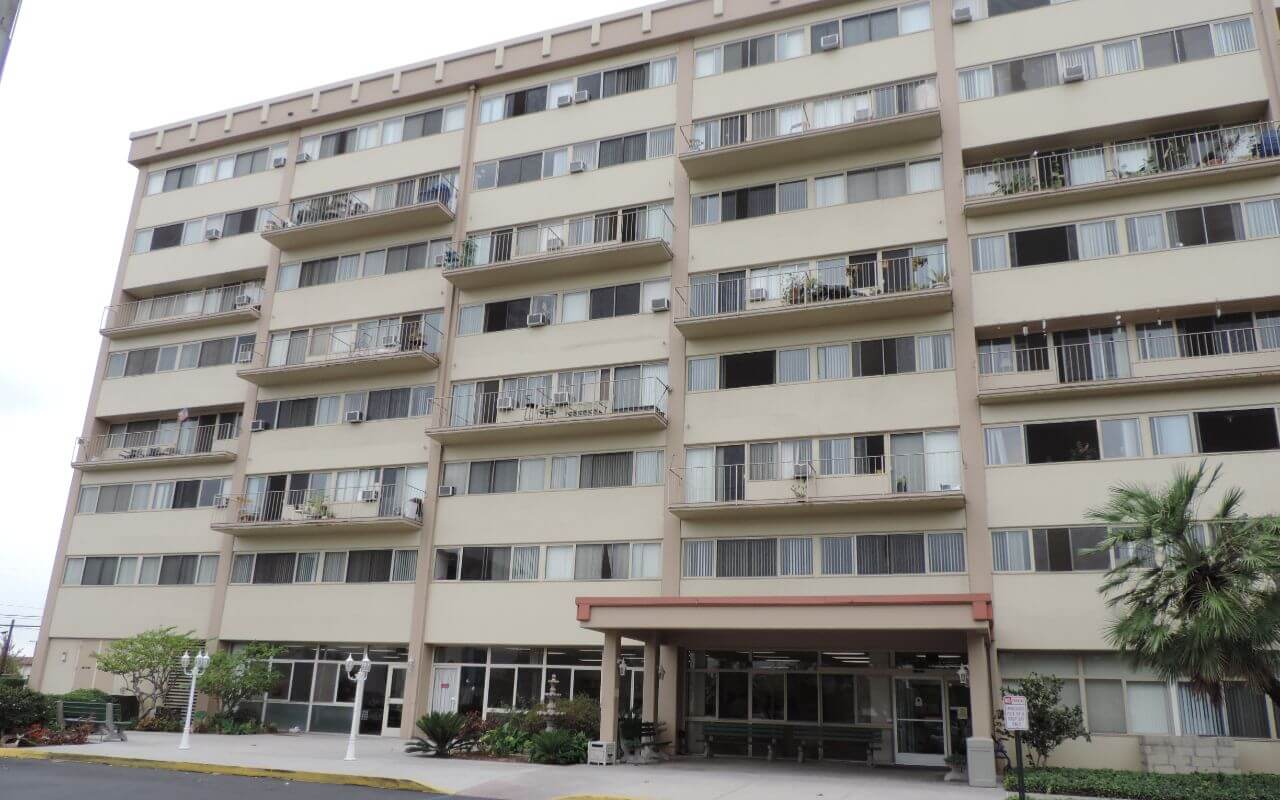
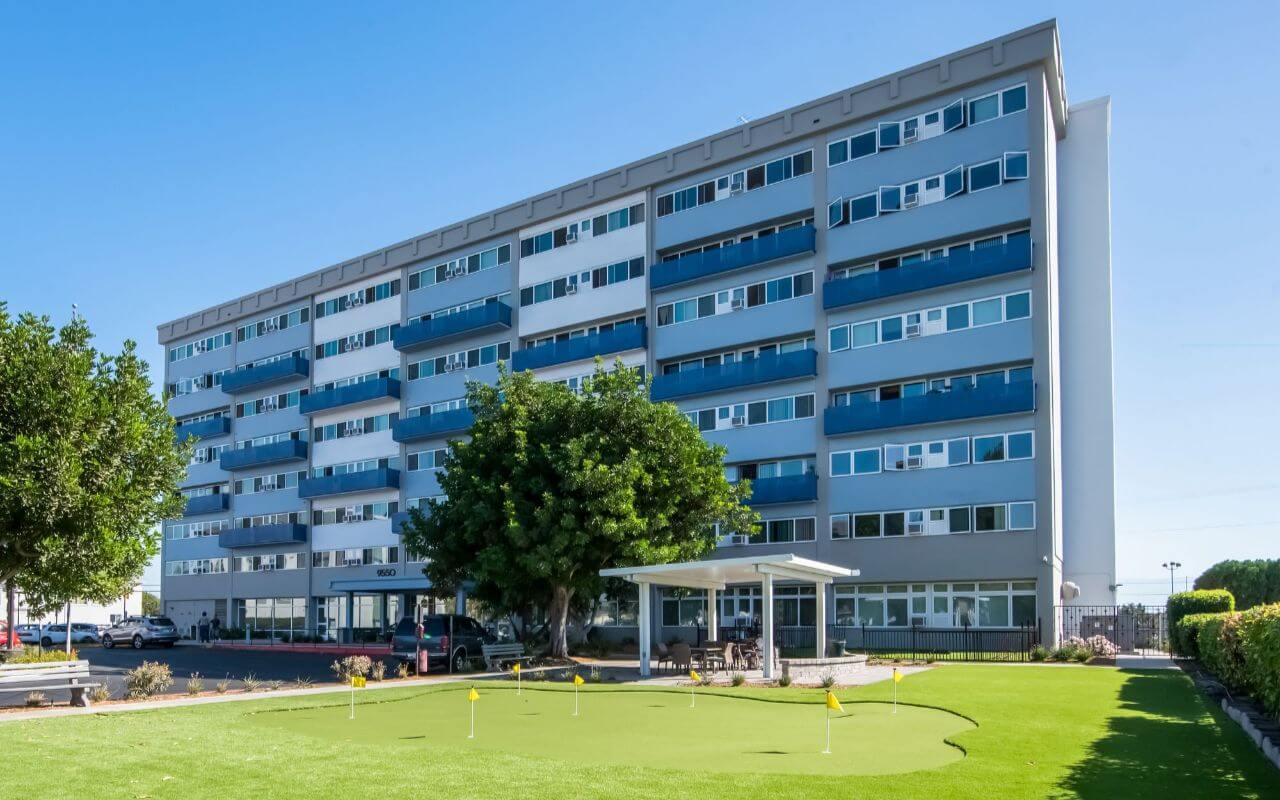
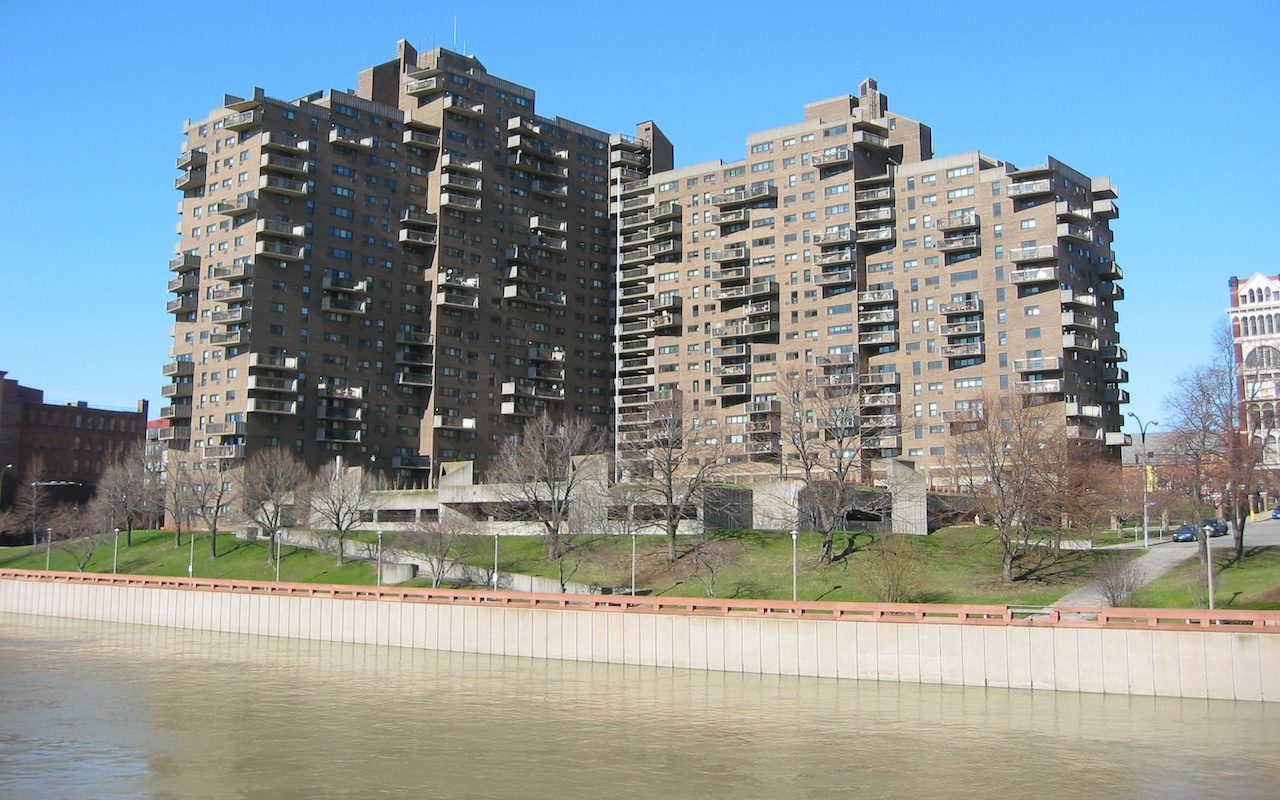
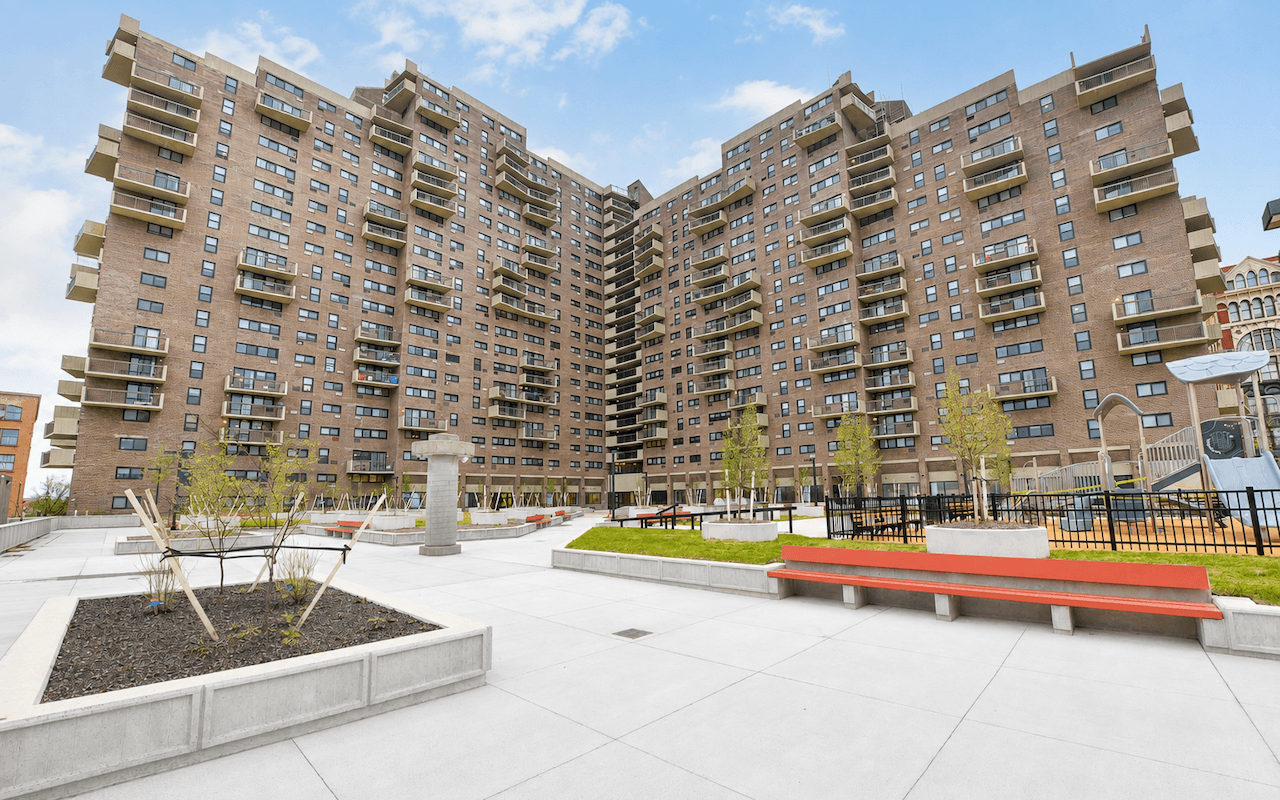
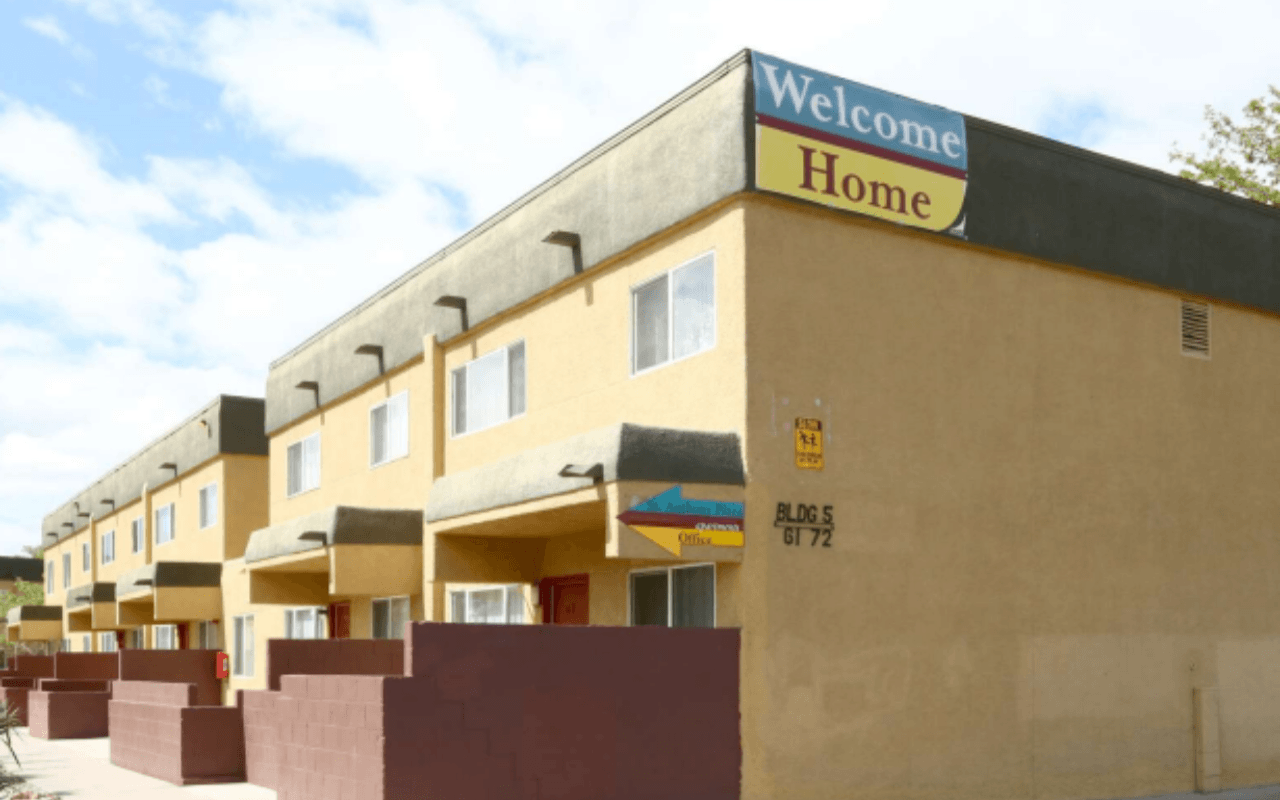
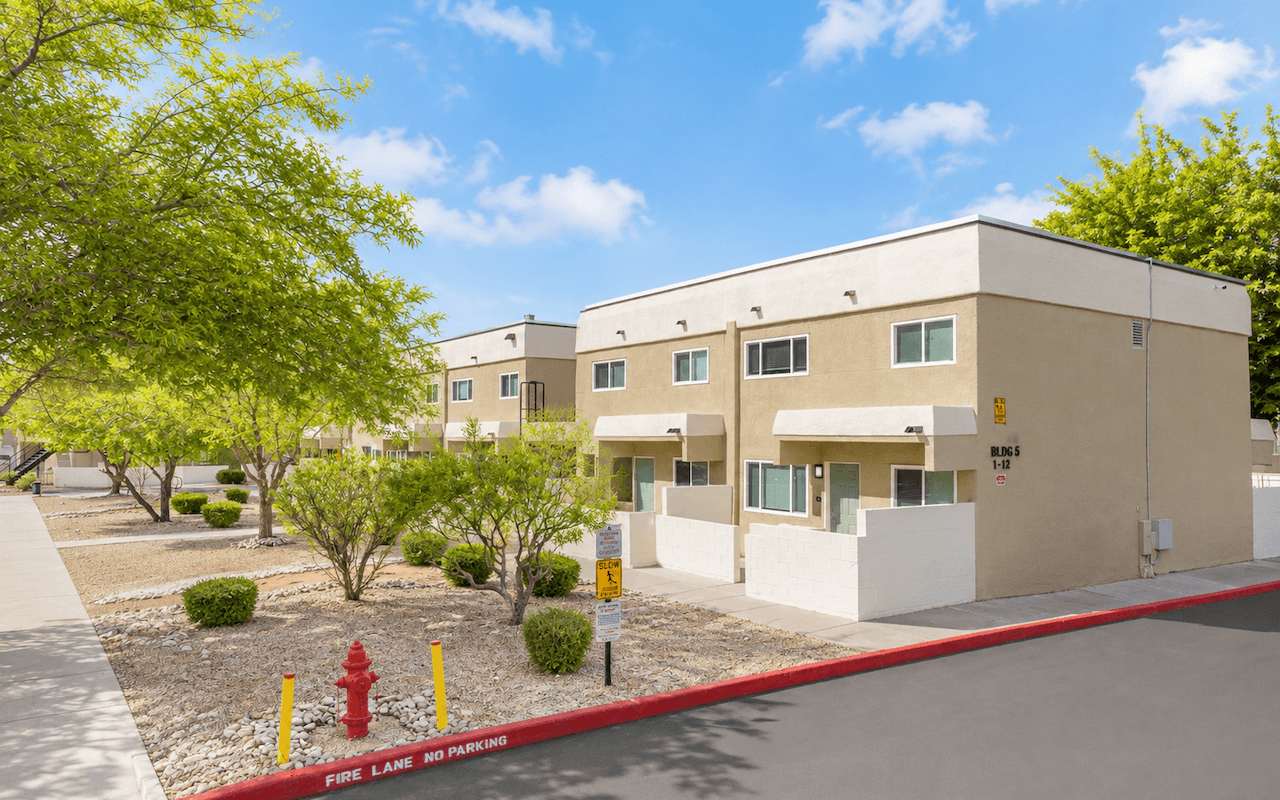
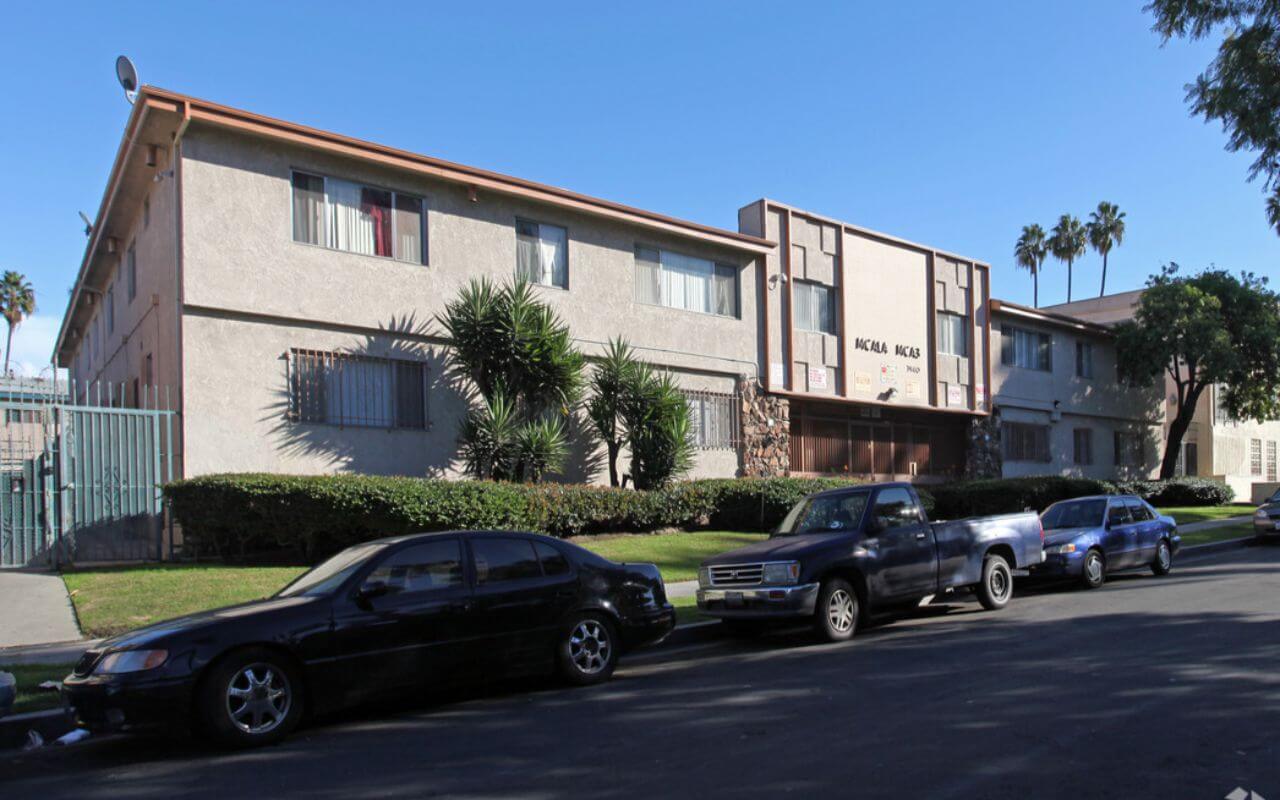
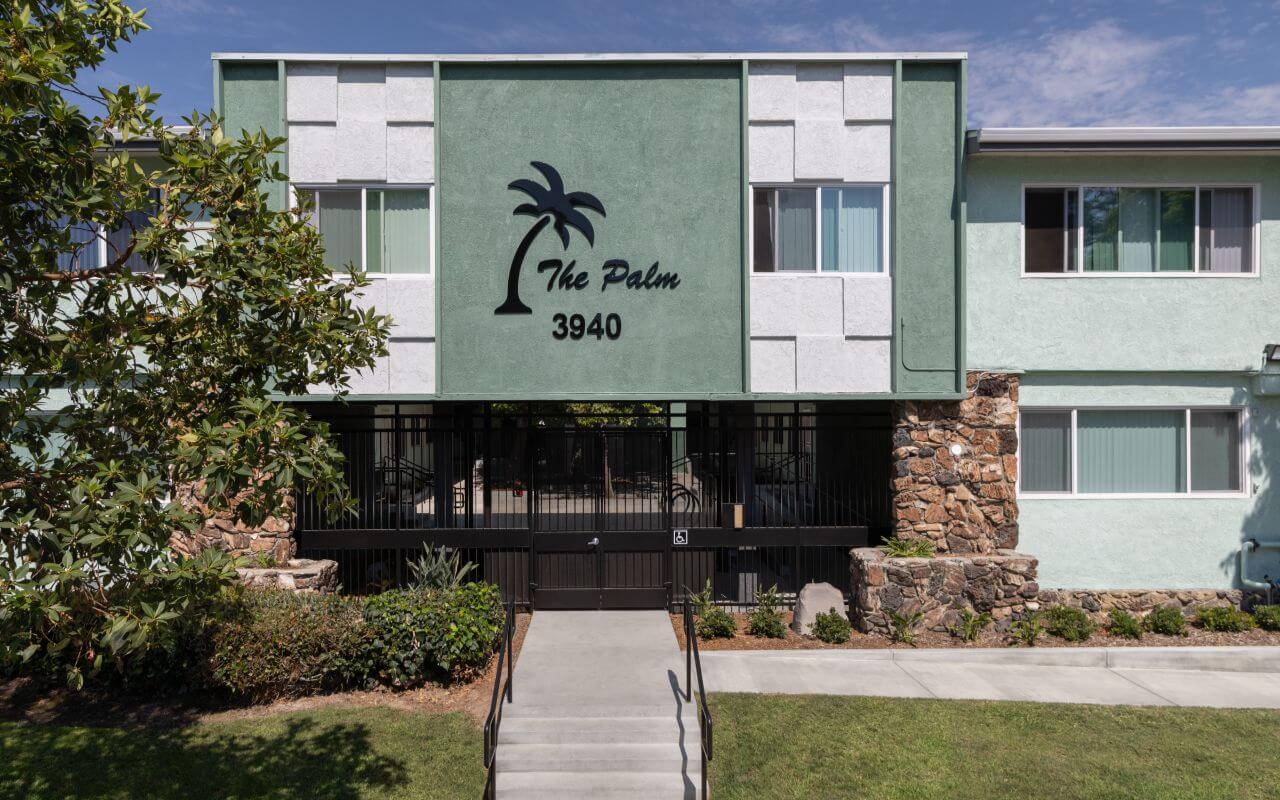
CPP has transformed affordable housing communities across the country — from large-scale preservation efforts to creative redevelopment partnerships and new construction communities.
Affordable Housing Myths vs. Reality
Affordable housing is often misunderstood. Research from leading housing, economic, and urban policy organizations consistently shows that well-managed affordable housing strengthens communities, supports economic stability, and improves long-term outcomes for residents.
Myth
Affordable housing lowers surrounding property values.
This myth comes up constantly at planning and zoning meetings, and it’s one of the most common reasons neighbors organize against new affordable housing. Those objections often succeed: they add hearings, legal costs, and delays, and in plenty of cases they stop projects outright. Fewer homes get built where they’re needed, and the housing shortage stays exactly where it started.
Fact
Research consistently shows that affordable housing has no negative effect on nearby property values, and in many cases, it has a positive one A Trulia study found LIHTC developments had no significant impact on nearby home values from 1996–2006, while an Urban Institute study of Alexandria, VA, found affordable housing developments were linked to small but significant increases in nearby property values.
Myth
Affordable housing developments burden local economies.
Local officials use this myth to justify voting down zoning changes, denying permits, and cutting funding for affordable housing, usually citing worries about taxpayer money or strain on public services. When those votes go through, the city loses the jobs, tax revenue, and local spending the housing would have brought in. The housing shortage that made the project necessary in the first place doesn’t go anywhere.
Fact
Affordable housing developments generate significant local economic activity rather than burdening it. Building 100 affordable rental homes generates about $11.7 million in local income, $2.2 million in local tax revenue, and 161 jobs in the first year alone, according to the National Association of Home Builders. Residents also benefit local businesses directly, since affordable housing frees up income for families to spend on food, health care, and other essentials, money that circulates back into the community.
Myth
Affordable housing developments are poorly maintained.
When people assume “affordable” means run-down, they show up to oppose new developments, push back on funding requests, and treat future residents with suspicion, often based on outdated images of failed mid-century public housing rather than how these communities are actually built and inspected today. That reputation is hard to shake, and it makes every new project a harder sell than it should be.
Fact
Affordable housing developments are held to the same building codes, inspection standards, and quality requirements as market-rate housing. LIHTC properties undergo regular compliance monitoring, with state agencies physically inspecting a minimum of 20% of units against HUD’s Uniform Physical Condition Standards. A HUD-commissioned study by Abt Associates found that the vast majority of LIHTC properties continue to provide housing of consistent quality well beyond their initial compliance period.
Myth
Affordable housing increases crime.
This myth shows up at nearly every contentious planning meeting, and it’s usually aimed at the people who’d live there rather than the building itself. That kind of objection can cross a legal line: opposing housing because of assumptions about future residents’ criminality can violate fair housing protections. It still works often enough to matter, adding extra hearings, delays, and legal costs that leave the housing shortage untouched while stereotyping the families this housing was meant to serve.
Fact
Research finds no credible link between affordable housing and increased crime. A review of 16 studies on LIHTC neighborhood impacts found that affordable housing tends to be built in areas that already had higher crime rates, rather than causing crime to rise. In high-poverty neighborhoods, LIHTC development is actually associated with reduced violent crime, while in higher-income neighborhoods, it shows no measurable effect on crime rates either way.
Testimonials
What our Partners and Residents are saying
Let’s Start the Conversation
Whether you’re exploring a preservation opportunity, seeking a development partner, or looking to learn more about affordable housing solutions, our team is here to help.
Connect directly with the people leading acquisitions, development, and partnerships nationwide.


Jack Aronson
Senior vice president - acquisitions
Email: jaronson@cpp-housing.com
Phone: 415-746-0666